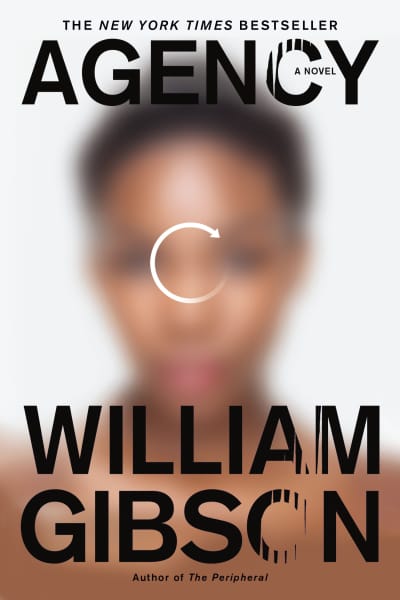
Agency – William Gibson’s New Novel
AN INSTANT NEW YORK TIMES BESTSELLER
“ONE OF THE MOST VISIONARY, ORIGINAL, AND QUIETLY INFLUENTIAL WRITERS CURRENTLY WORKING”* returns with a sharply imagined follow-up to the New York Times bestselling The Peripheral.
William Gibson has trained his eye on the future for decades, ever since coining the term “cyberspace” and then popularizing it in his classic speculative novel Neuromancer in the early 1980s. Cory Doctorow raved that The Peripheral is “spectacular, a piece of trenchant, far-future speculation that features all the eyeball kicks of Neuromancer.” Now Gibson is back with Agency—a science fiction thriller heavily influenced by our most current events.
Verity Jane, gifted app whisperer, takes a job as the beta tester for a new product: a digital assistant, accessed through a pair of ordinary-looking glasses. “Eunice,” the disarmingly human AI in the glasses, manifests a face, a fragmentary past, and a canny grasp of combat strategy. Realizing that her cryptic new employers don’t yet know how powerful and valuable Eunice is, Verity instinctively decides that it’s best they don’t.
Meanwhile, a century ahead in London, in a different time line entirely, Wilf Netherton works amid plutocrats and plunderers, survivors of the slow and steady apocalypse known as the jackpot. His boss, the enigmatic Ainsley Lowbeer, can look into alternate pasts and nudge their ultimate directions. Verity and Eunice are her current project. Wilf can see what Verity and Eunice can’t: their own version of the jackpot, just around the corner, and the roles they both may play in it.
*The Boston Globe
Other Books by William Gibson

Distrust That Particular Flavor


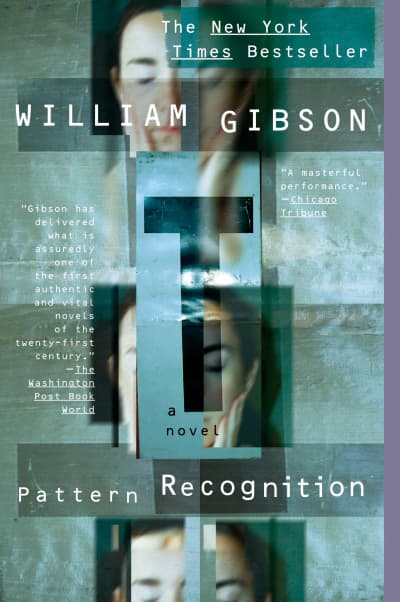
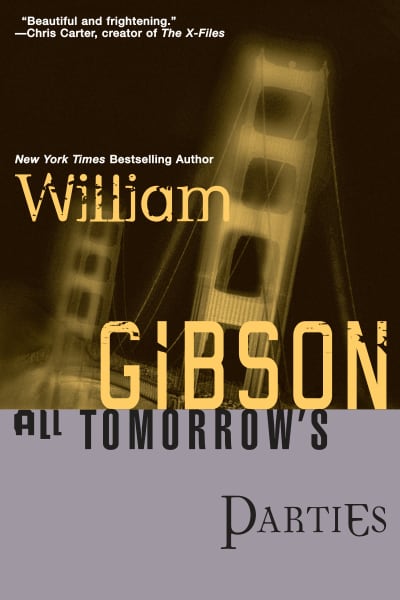
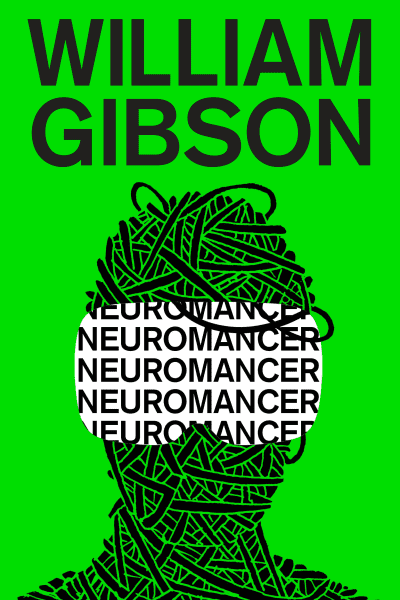


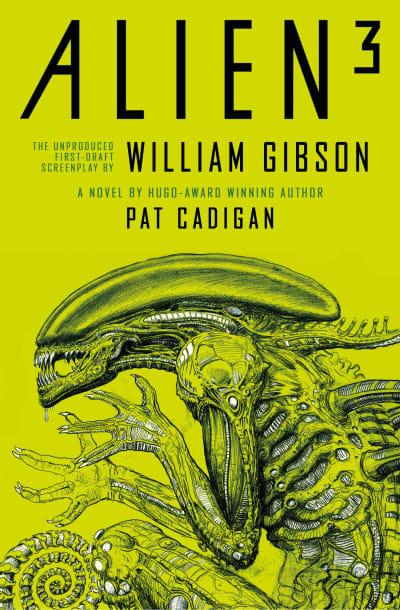
Alien 3: The Unproduced Screenplay by William Gibson
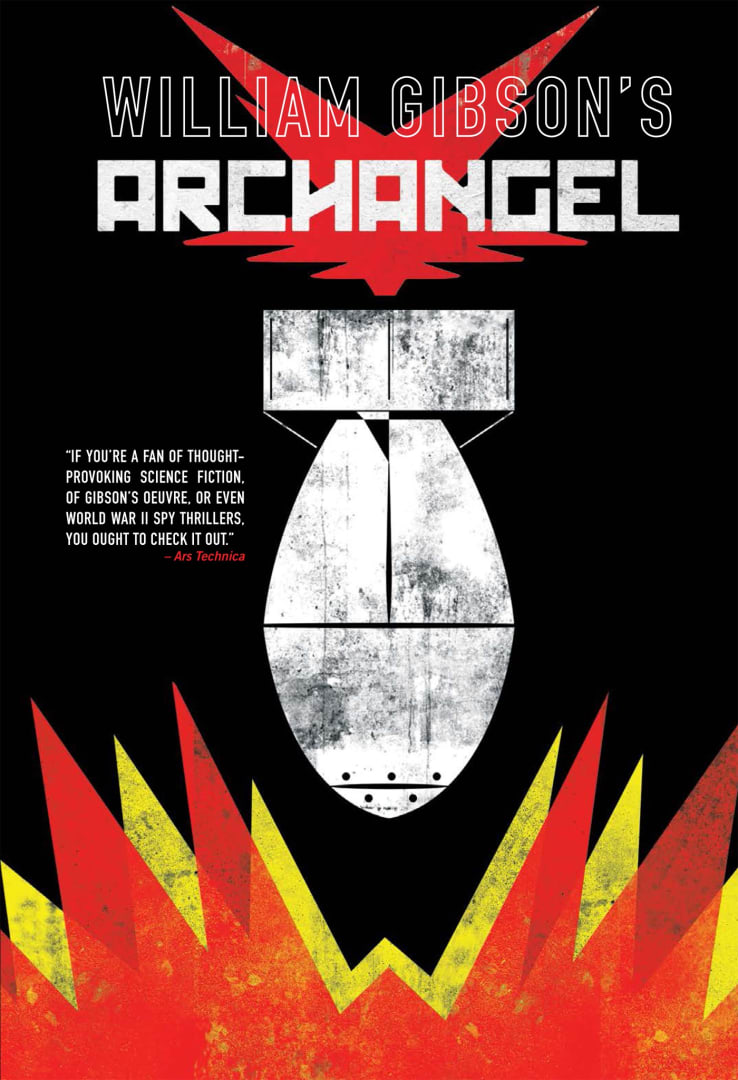
Archangel
The political leaders of 2016 have destroyed the world. Now they want a bright new reality to corrupt.
To do it, they’ll abuse the power of humanity’s last hope: the Splitter, a colossal machine that will allow them to travel back into the past to entrench their hold on the future. With his characteristic grim sarcasm and militaristic pragmatism, Gibson leads us from the toxic environs of the present to war-torn 1945 Berlin, where RAF officer Naomi Givens will persevere against inconceivable, ruthless future forces, with the fates of epochs at stake.
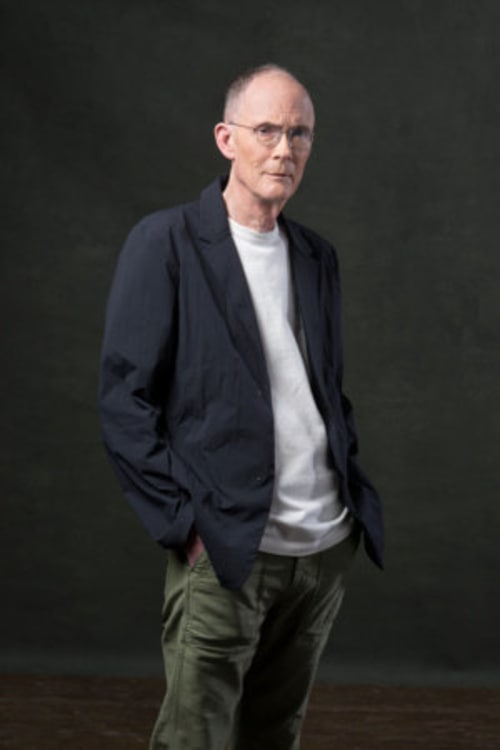
Photo: © Michael O’Shea
About William Gibson
William Gibson is credited with having coined the term "cyberspace" and having envisioned both the Internet and virtual reality before either existed. He is the author of Neuromancer, Count Zero, Mona Lisa Overdrive, Burning Chrome, Virtual Light, Idoru, All Tomorrow's Parties, Pattern Recognition, Spook Country, Zero History, Distrust That Particular Flavor, and The Peripheral. He lives in Vancouver, British Columbia, with his wife.
Sign Up for Email Alerts
By clicking Sign Up, I acknowledge that I have read and agree to Penguin Random House's Privacy Policy and Terms of Use and understand that Penguin Random House collects certain categories of personal information for the purposes listed in that policy, discloses, sells, or shares certain personal information and retains personal information in accordance with the policy. You can opt-out of the sale or sharing of personal information anytime.
Contact
Publicity:
Craig Burke, Berkley/Penguin Random House
crburke@prh.com
Book Rights:
Flip Brophy, Sterling Lord Literistic, Inc.
flip@sll.com
Film/TV:
Ron Bernstein, Independent Artist Group
rbernstein@independentartistgroup.com
News and Links
Latest News:
William Gibson Stays Rooted in Reality to Write Realistic Fiction (The Boston Globe)
William Gibson’s Time-Twisting “Agency” Imagines a Trump-Less Present (LA Times)
Interview: The Darkness Where the Future Should Be (The New York Times)
An “App Whisperer” Teams Up With Time Travelers in William Gibson’s “Agency” (The Washington Post)
William Gibson’s “Agency” Goes Further Into the Future and Deeper Into the Present (Boston Globe)
For William Gibson, Seeing the Future Is Easy. But the Past? (The New York Times)
How William Gibson Keeps His Science Fiction Real (The New Yorker)
Amazon Greenlights ‘The Peripheral’ with Lisa Joy, Jonathan Nolan Producing (Variety)
Jonathan Nolan and Lisa Joy’s ‘The Peripheral’ Picked Up To Series By Amazon (Deadline)
‘Westworld’ Creators’ Futuristic Drama ‘The Peripheral’ Gets Amazon Pickup (The Hollywood Reporter)
William Gibson’s ‘The Peripheral’ Adaptation in the Works at Amazon From Jonathan Nolan, Lisa Joy (Variety)
Westworld creators turning sci-fi novel The Peripheral into Amazon series (Entertainment Weekly)
‘Neuromancer’ to be Adapted Into a Feature Film, Helmed by ‘Deadpool’s Tim Miller (Deadline)
Essays/Interviews/Etcetera
On Collecting:
www.wired.com/wired/archive/7.01/ebay.html
Wired article on e-bay
On Digital Video:
www.wired.com/wired/archive/7.10/gibson.html
Wired article on Digital Film technology
On Japan:
www.wired.com/wired/archive/9.09/gibson.html
“My Own Private Tokyo” in Wired
Sci-Fi Writer William Gibson Reimagines the World After the 2016 Election (New York Times)
William Gibson changed his upcoming sci-fi novel after the results of the presidential election (The Verge)